
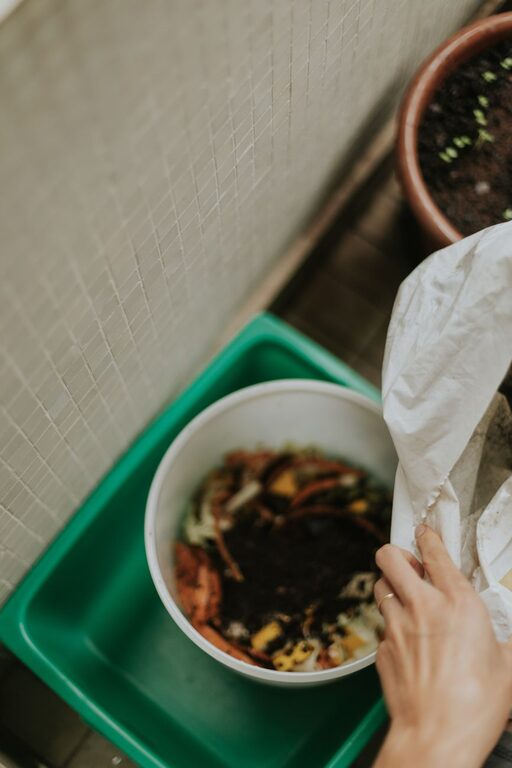
Reducing food waste at home is a practical way to save money, conserve resources, and protect the environment. Every year, millions of tons of food are discarded unnecessarily, and much of this waste happens in our own kitchens. By making a few simple changes to how you shop, store, and use food, you can make a meaningful impact. This guide offers practical tips and ideas to help you reduce food waste at home effectively.
Understanding Food Waste
Food waste refers to any edible food that is discarded, whether due to spoilage, over-purchasing, or not using leftovers. Common reasons for food waste at home include:
– Buying more food than needed
– Misunderstanding expiration dates
– Improper food storage
– Cooking too much food
– Not using leftover ingredients
By addressing these issues, you can extend the life of your food and ensure more of it gets eaten.
Smart Shopping Habits
Plan Your Meals Ahead
Meal planning is one of the most effective ways to reduce food waste. By deciding what you will cook for the week, you can purchase only the ingredients you need.
– Create a meal plan based on your schedule and preferences.
– Check your pantry and refrigerator before shopping to avoid duplicates.
– Write a precise shopping list and stick to it.
Buy Only What You Need
Avoid bulk buying items you might not use before they spoil. While buying in bulk can save money, it can also lead to waste if you don’t consume the food in time.
– Purchase perishable items in smaller quantities.
– Choose loose fruits and vegetables instead of pre-packaged ones to buy the exact amount.
Consider Imperfect Produce
Many stores and markets sell “imperfect” or “ugly” fruits and vegetables at a discount. These items are just as nutritious and tasty but often discarded.
– Give imperfect produce a chance to reduce waste and save money.
Proper Storage Techniques
Understand Ideal Storage Conditions
Proper storage can extend the life of your fruits, vegetables, dairy, and leftovers.
– Store leafy greens in a clean, dry container with a paper towel to absorb moisture.
– Keep fruits and vegetables separate if they release ethylene gas (like apples and bananas), which can speed up ripening.
– Use airtight containers for leftovers and chilled items to maintain freshness.
Use Clear Containers and Label Leftovers
– Store leftovers in transparent containers so you can easily see what’s inside.
– Label containers with the date they were stored to help track freshness.
Use Leftovers Creatively
Repurpose Leftovers into New Meals
Instead of throwing away leftovers, transform them into new dishes.
– Turn roasted vegetables into soups.
– Make stir-fries or omelets with leftover ingredients.
– Use stale bread for croutons or breadcrumbs.
Practice FIFO: First In, First Out
When organizing your fridge and pantry, place newer items behind older ones to use the oldest food first.
Understand Expiration Dates
Know the Difference Between “Sell-By,” “Use-By,” and “Best-By”
Expiration dates can be confusing. Some dates indicate quality, not safety.
– “Sell-by” is a guideline for stores, not an expiration date.
– “Best-by” indicates peak quality but does not mean the food is unsafe afterward.
– “Use-by” is the last date recommended for using the product at peak quality.
Whenever possible, rely on your senses—look, smell, and taste—to judge whether food is still good.
Compost Food Scraps
Even with careful planning, some food scraps are inevitable.
– Set up a compost bin for peelings, coffee grounds, eggshells, and other organic waste.
– Composting reduces landfill waste and produces valuable soil for gardening.
Additional Tips for Reducing Food Waste
– Freeze leftovers or excess ingredients to extend shelf life.
– Donate surplus non-perishable food to local food banks or community groups.
– Educate family members about food waste to encourage mindful habits.
Conclusion
Reducing food waste at home is easier than it sounds. By planning meals, shopping mindfully, storing food properly, and using leftovers creatively, you can make a positive difference. These small changes not only save money but also help reduce the environmental impact of wasted food. Start with a few of these tips today and enjoy fresher meals with less waste.