
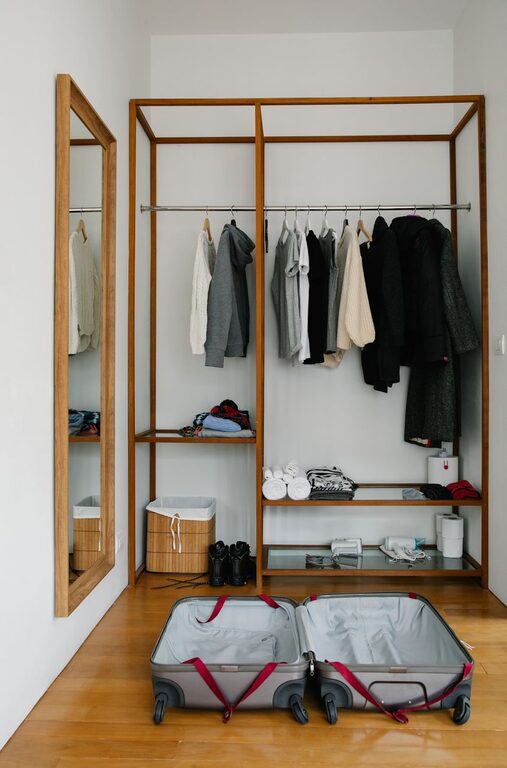
Storing seasonal clothes efficiently can save space, protect your garments, and simplify your daily routine. Whether you’re packing away winter coats or summer dresses, having a system in place ensures your clothes stay fresh and ready to wear when the season changes. This guide walks you through practical tips and methods to help you organize and store your seasonal wardrobe with ease.
Why Store Seasonal Clothes Properly?
Proper storage does more than free up closet space. It helps maintain fabric quality, prevents damage from pests, dust, or moisture, and makes it easier to find what you need when the seasons change. Clothes that are well cared for last longer, saving you money and effort over time.
Preparing Your Clothes for Storage
Before packing away your seasonal items, preparation is key. This step ensures your clothes remain in good condition while stored.
Clean Your Clothes
Always wash or dry clean your clothes before storing them. Dirt, oils, and stains can set in over time and attract pests like moths. Make sure clothes are completely dry because moisture can cause mold and mildew.
Repair Damage
Check for loose buttons, broken zippers, or small tears. Repairing these now prevents further damage and makes clothes ready to wear when you unpack them.
Sort and Declutter
Take this opportunity to go through your wardrobe. Donate or discard items you no longer want or need. A smaller, well-curated collection is easier to store and maintain.
Choosing the Right Storage Solutions
Selecting appropriate storage containers and spaces protects your clothes and optimizes your storage area.
Types of Storage Containers
– Plastic Bins: Airtight plastic bins keep out moisture and pests. Choose clear bins to easily see contents without opening.
– Fabric Storage Bags: Breathable and lightweight, these are good for delicate items but don’t protect against humidity or insects.
– Vacuum-Sealed Bags: Great for saving space by compressing bulky items, but avoid using on delicate fabrics that could wrinkle or get crushed.
– Storage Boxes with Lids: Cardboard or decorative boxes are fine for short-term storage in dry areas but can be less durable long-term.
Label Everything
Label your containers clearly. Include the season and type of clothing inside, so you can quickly identify what you need without unpacking everything.
Choose Storage Locations Wisely
Store clothes in a cool, dry, and dark place. Avoid attics or basements prone to temperature fluctuations and humidity. Closets, under-bed bins, or dedicated storage rooms work best.
Organizing Your Seasonal Clothes
Organizing your stored clothes will save you time and frustration later.
Fold or Hang?
– Fold Bulky Items: Sweatshirts, sweaters, and jeans fold well and save space.
– Hang Delicate or Wrinkle-Prone Items: Dresses, coats, and suits benefit from hanging to keep their shape.
– You can use garment bags to protect hung items from dust.
Use Dividers and Organizers
Drawer dividers or small bins inside larger containers can separate different clothing types or accessories like scarves, gloves, and hats.
Keep Accessories Together
Store matching accessories with your seasonal outfits for convenience. Use small pouches or boxes to keep them organized.
Protecting Your Clothes in Storage
Taking a few extra steps can help preserve your clothes.
– Use Cedar Blocks or Lavender Sachets: Natural repellents that help keep moths away without harsh chemicals.
– Avoid Plastic Covers for Long-Term Hanging Storage: Prevents moisture buildup which can damage clothes.
– Air Clothes Occasionally: If possible, take items out periodically to air them and prevent mustiness.
– Use Silica Gel Packs: These absorb moisture in enclosed containers and help avoid mildew.
Tips for When the Season Changes
When it’s time to swap your wardrobe:
– Unpack and Inspect: Check stored clothes for any signs of damage or odors.
– Refold or Rehang Neatly: Take this chance to reorganize and tidy your storage containers.
– Update Your Storage System: Adjust based on what worked or didn’t from the previous season.
Final Thoughts
Storing seasonal clothes doesn’t have to be complicated. With some preparation, the right containers, and a thoughtful system, you can protect your wardrobe and create a more organized living space. Start with a clear plan, and you’ll enjoy easy access to your favorite clothes no matter the season.