
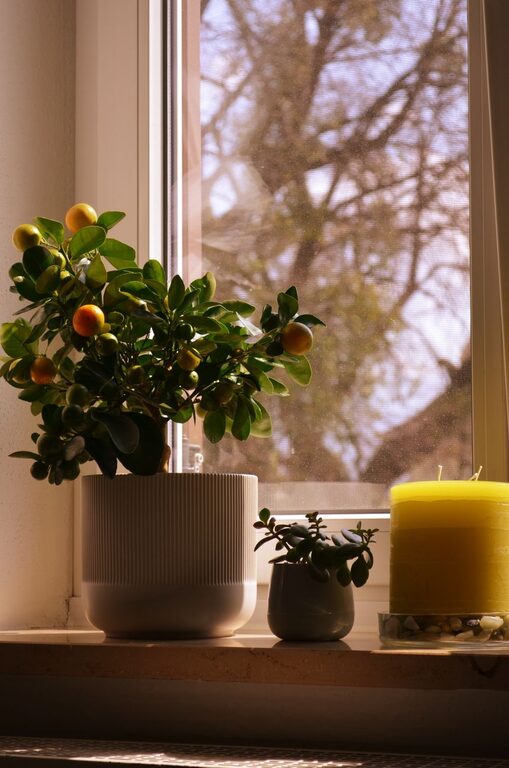
Adding plants to your home is one of the simplest and most rewarding ways to refresh your space. Whether you live in a small apartment or a large house, plants bring a touch of nature indoors, improve air quality, and create a calming environment. This guide covers practical tips on choosing, arranging, and caring for plants to brighten up your living areas.
Why Bring Plants into Your Home?
Plants do more than just look pretty. They help purify the air, boost your mood, and even reduce stress. A well-placed plant can transform a dull corner into a lively focal point. Plus, taking care of plants offers a relaxing hobby and can make your home feel welcoming.
Choosing the Right Plants for Your Space
Start by considering your home’s lighting, size, and your personal maintenance preferences.
Assess Lighting Conditions
– Low light: Perfect for snake plants, pothos, and ZZ plants that thrive without direct sunlight.
– Bright, indirect light: Ideal for ferns, peace lilies, and spider plants.
– Direct sunlight: Best for succulents, cacti, and herbs.
Knowing how much light each room gets will help you pick plants that stay healthy and happy.
Consider Plant Size and Growth
Think about where you want to place your plants. Tall floor plants like fiddle leaf figs or rubber plants can fill empty corners, while smaller succulents or air plants fit nicely on shelves or desks. If you enjoy watching your plants grow, select species that mature over time.
Choose Easy-Care Varieties for Beginners
If you’re new to houseplants, opt for low-maintenance options such as pothos, snake plants, or peace lilies. These plants tolerate occasional neglect and adapt well to indoor conditions.
Creative Ways to Display Plants
Arranging plants thoughtfully can enhance your home’s aesthetic.
Group Plants Together
Cluster plants with similar care needs on a windowsill or a dedicated plant stand. Grouping creates a mini indoor garden and adds visual interest.
Use Decorative Pots
Choose pots that complement your decor style. From rustic terracotta to modern ceramic, pot choice impacts the overall look.
Hang Plants
Macrame hangers and wall-mounted planters save floor space and introduce greenery at different heights, adding dimension to your rooms.
Incorporate Plants into Existing Furniture
Place small plants on bookshelves, coffee tables, or kitchen counters for subtle greenery without clutter.
Caring for Your Indoor Plants
Proper care ensures your plants stay vibrant and long-lasting.
Watering Tips
– Check soil moisture before watering. Most plants prefer soil to dry out slightly between waterings.
– Avoid overwatering, which can cause root rot.
– Use pots with drainage holes to prevent water buildup.
Feeding Your Plants
– Use a balanced, water-soluble fertilizer during the growing season (spring and summer).
– Follow package instructions to avoid over-fertilizing.
Pruning and Cleaning
– Trim dead or yellow leaves to encourage new growth.
– Wipe leaves gently with a damp cloth to remove dust that can block sunlight.
Monitor for Pests
Watch for signs of pests like spider mites or aphids. Treat infestations early with natural remedies or insecticidal soap.
Seasonal Plant Refresh
Change your plant arrangement with the seasons to keep your space feeling fresh.
– Bring out bright, flowering plants in spring and summer.
– Switch to hardy, evergreen plants in fall and winter.
– Rotate plants regularly to ensure even light exposure.
Benefits Beyond Decoration
Aside from enhancing your décor, plants can help:
– Improve indoor air quality by filtering toxins.
– Increase humidity, which benefits skin and respiratory health.
– Boost creativity and concentration, especially in workspaces.
Final Thoughts
Refreshing your home with plants is a rewarding way to add color, texture, and life. Start small, choose plants suited to your environment, and enjoy nurturing your indoor garden. Over time, these green companions will transform your living space into a vibrant, soothing haven.
Happy planting!