
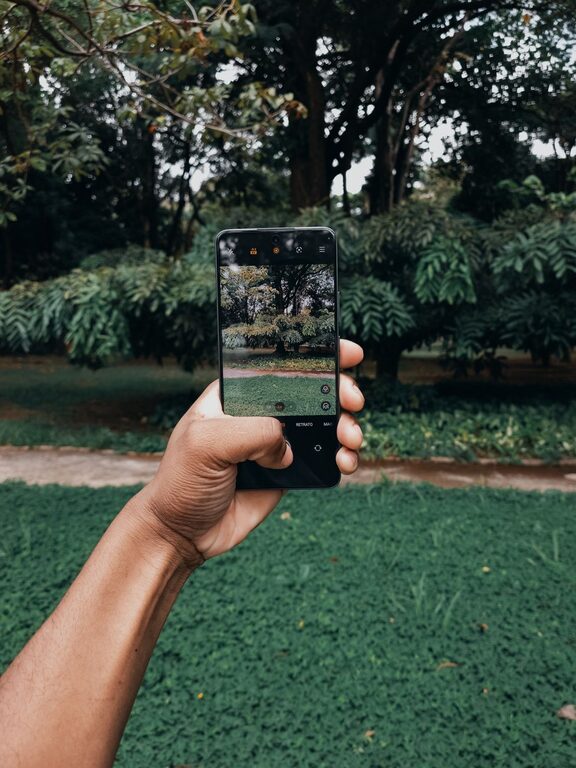
Taking great photos with your phone is easier than you might think. With the right techniques, you can capture stunning images without needing a fancy camera. Whether you’re documenting your travels, snapping family moments, or sharing creative shots on social media, these beginner tips will help you take better phone photos.
Understand Your Phone Camera Features
Before you start shooting, take some time to familiarize yourself with your phone’s camera settings. Most smartphones come with several useful features:
– HDR (High Dynamic Range): Helps balance light and dark areas in your photos.
– Gridlines: Displays a grid overlay to help you apply the rule of thirds for better composition.
– Focus and Exposure Controls: Allows you to tap on the screen to set focus and adjust brightness.
Experiment with these settings to see how they affect your images.
Keep Your Lens Clean
One of the simplest but most overlooked tips is keeping your phone’s camera lens clean. Fingerprints, dust, or smudges can make your photos look blurry or hazy. Use a soft, lint-free cloth (like a microfiber cloth) to gently wipe the lens before taking pictures.
Use Natural Light When Possible
Lighting is one of the most important factors for great photos.
– Shoot in natural light: Outdoor daylight is often the best light source.
– Avoid harsh midday sun: This can create strong shadows and highlights. Instead, try shooting during the “golden hour” — just after sunrise or before sunset — when light is soft and warm.
– Use window light indoors: Position your subject near a window to take advantage of natural light.
If you must shoot in low light, steady your phone to reduce blur and try not to use the flash, which can cause harsh shadows.
Compose Your Shots Thoughtfully
Good composition makes your photos more interesting and pleasing to the eye. Here are a few basic tips:
– Use the rule of thirds: Imagine your screen divided into a 3×3 grid. Place key elements along these lines or at their intersections.
– Fill the frame: Get closer to your subject or zoom in (digitally or physically) to remove distractions.
– Look for leading lines: Roads, fences, or pathways can guide the viewer’s eye through the photo.
– Capture symmetry or patterns: These often make visually striking images.
Don’t be afraid to try different angles or perspectives—shoot from above, below, or from the side to add interest.
Steady Your Phone for Sharper Photos
Shaky hands can cause blurry pictures especially in low light. To steady your phone:
– Hold your phone with both hands.
– Tuck your elbows close to your body.
– Lean against a stable surface if possible.
– Use a tripod or phone stand for extra stability when needed.
Most phones also have image stabilization built-in, but these tips help when you want the sharpest shots.
Use Focus and Exposure Controls
Many phone cameras let you tap on the screen to set focus and adjust exposure:
– Tap on your subject: This ensures it’s in sharp focus.
– Slide up or down: After tapping, you can often slide your finger to make the photo brighter or darker.
Manually controlling focus and exposure helps your camera capture exactly what you want, especially in tricky lighting conditions.
Avoid Digital Zoom
Using digital zoom reduces image quality; it simply crops the photo and enlarges pixels. Instead:
– Move closer to your subject physically.
– Crop the photo later if needed.
If your phone has a telephoto lens, it’s better to use the optical zoom for higher quality.
Experiment with Editing Apps
Editing can enhance your photos and fix small issues. Start with simple adjustments like:
– Cropping and straightening
– Adjusting brightness and contrast
– Enhancing colors
– Sharpening details
There are many free and user-friendly apps available that work well for beginners, like Snapseed, Lightroom Mobile, or VSCO.
Practice and Have Fun
The best way to improve your phone photography is by practicing regularly. Try taking photos every day, experimenting with different subjects and lighting. Review your pictures and think about what you like or what could be improved.
Remember, photography is also a creative process—don’t hesitate to try new ideas and express your unique perspective.
—
By following these beginner tips, you’ll be on your way to taking sharper, more vibrant photos with your phone. Happy shooting!