
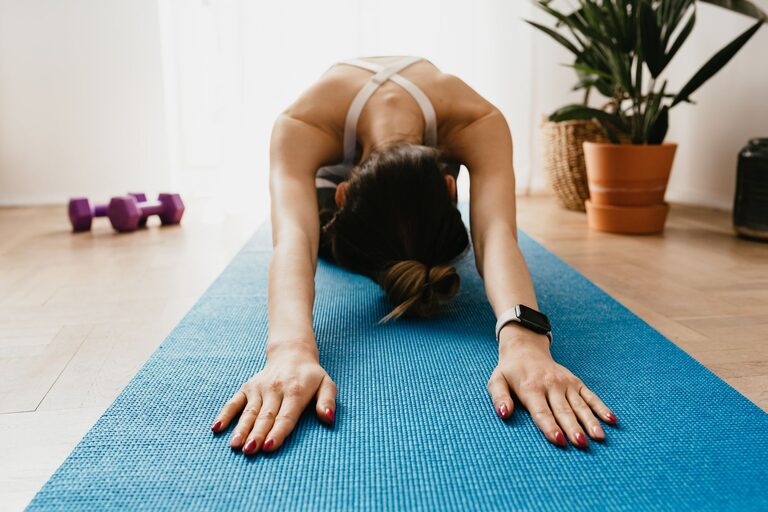
Stretching is a gentle and accessible way to enhance your physical health, reduce muscle tension, and improve your overall mobility. You don’t need any special equipment or a gym membership to start stretching — just a few minutes at home can make a big difference. This beginner’s guide will help you understand the benefits of stretching, how to prepare, and offer easy routines you can do in your own space.
Why Stretching Matters
Stretching has many benefits that go beyond just feeling more limber:
– Increases flexibility: Regular stretching improves your range of motion, making everyday movements easier.
– Reduces muscle tension: Stretching helps release tight muscles and reduce stiffness.
– Improves posture: Stretching can counteract the effects of prolonged sitting or poor posture.
– Enhances circulation: Movement during stretching increases blood flow to your muscles.
– Supports relaxation: Gentle stretches can calm your nervous system and reduce stress.
Even if you’re not an athlete, stretching is a valuable habit for maintaining a healthy body.
Preparing to Stretch at Home
Before you begin, keep these tips in mind to make your stretching routine safe and effective:
Choose a Comfortable Space
Find a quiet, open area where you can move freely without distractions. A yoga mat or soft carpet can provide cushioning for floor stretches.
Wear Comfortable Clothes
Opt for loose or stretchy clothing that allows full movement. Avoid tight or restrictive garments.
Warm Up Your Body
Stretching cold muscles can cause injury, so start with a light warm-up like marching in place or gentle walking for 3–5 minutes to get your blood flowing.
Breathe Deeply
Breathing deeply during stretches helps oxygenate your muscles and maintains relaxation.
Basic Stretching Techniques
Understanding how to stretch properly will maximize benefits and minimize risk.
– Move Slowly: Ease into the stretch gradually without bouncing or jerking.
– Hold Steady: Hold each stretch for 15–30 seconds to allow muscles to lengthen.
– Feel a Gentle Pull: You should feel tension, but never pain. If it hurts, ease off.
– Breathe Normally: Don’t hold your breath; keep a steady breathing pattern.
– Stretch Both Sides: Always perform stretches on both the left and right sides of your body for balance.
Simple Stretches to Start With
Here are some beginner-friendly stretches to try at home:
1. Neck Stretch
– Sit or stand tall.
– Slowly tilt your head toward your right shoulder until you feel a gentle stretch on the left side of your neck.
– Hold 20 seconds, then switch sides.
2. Shoulder Stretch
– Bring your right arm across your chest.
– Use your left hand to press your right arm closer to your chest.
– Hold 20 seconds, then switch arms.
3. Chest Opener
– Clasp your hands behind your back.
– Straighten your arms and gently lift your chest while squeezing your shoulder blades together.
– Hold for 20–30 seconds.
4. Seated Forward Bend
– Sit on the floor with legs extended straight.
– Keeping your back straight, lean forward from the hips reaching toward your toes.
– Hold for 30 seconds, feeling the stretch in your hamstrings and lower back.
5. Cat-Cow Stretch (for spine mobility)
– Start on hands and knees.
– Arch your back toward the ceiling (cat), then dip your belly toward the floor and lift your head (cow).
– Move slowly between these positions for 5–10 cycles.
6. Standing Quadriceps Stretch
– Stand tall and hold onto a chair or wall for balance.
– Bend your right knee, bringing your heel toward your buttocks.
– Grab your ankle with your right hand to stretch the front of your thigh.
– Hold 20 seconds, then switch sides.
Creating a Routine
To see lasting improvements, consistency is key. Here’s a simple plan to get started:
– Stretch at least 3–4 times per week.
– Spend 10–15 minutes per session.
– Combine stretches that target all major muscle groups.
– Use a timer to hold stretches for the recommended duration.
You can do this routine in the morning to wake up your body, in the evening to relax, or any time you feel stiff.
Tips for Staying Motivated
– Set a regular time each day for your stretches.
– Keep a stretching journal to track progress and how you feel afterward.
– Listen to calming music or guided stretching videos to enhance the experience.
– Be patient — flexibility improves gradually with practice.
When to Be Careful
While stretching is safe for most people, avoid pushing beyond your limits. If you experience sharp pain, dizziness, or joint swelling, stop immediately. If you have any medical conditions or injuries, consult with a healthcare provider before beginning a new stretching program.
Final Thoughts
Stretching at home is an easy and effective way to improve flexibility, reduce muscle tightness, and boost your overall well-being. By making it a regular habit, you can enjoy increased comfort and mobility in your daily life. Start with these simple stretches today, and your body will thank you!